Loading typefaces...
Student or freelancer? We've got a big discount for you! Just email us!

Choose a License:

For OEM licenses or custom mods, reach out to us!

Choose a Style:

0
( 0)
Pangram
CLICK ON TEXT TO EDIT

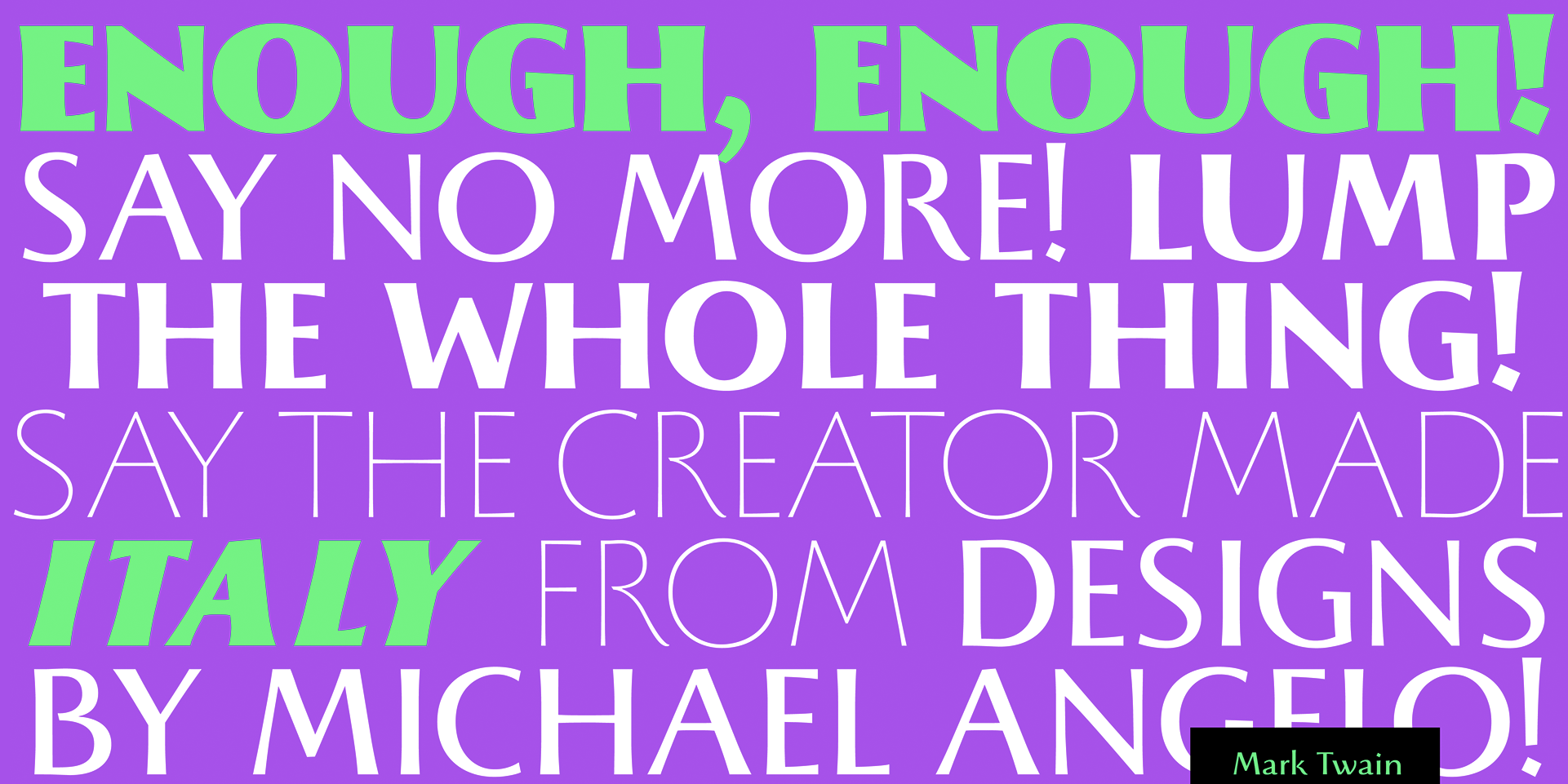
Beatrix Antiqua Thin

Beatrix Antiqua Thin Italic

Beatrix Antiqua Light

Beatrix Antiqua Light Italic

Beatrix Antiqua

Beatrix Antiqua Italic

Beatrix Antiqua Medium

Beatrix Antiqua Medium Italic

Beatrix Antiqua SemiBold

Beatrix Antiqua SemiBold Italic

Beatrix Antiqua Bold

Beatrix Antiqua Bold Italic

Beatrix Antiqua ExtraBold

Beatrix Antiqua ExtraBold Italic

Beatrix Antiqua Black

Beatrix Antiqua Black Italic

Beatrix Antiqua ExtraBlack

Beatrix Antiqua ExtraBlack Italic

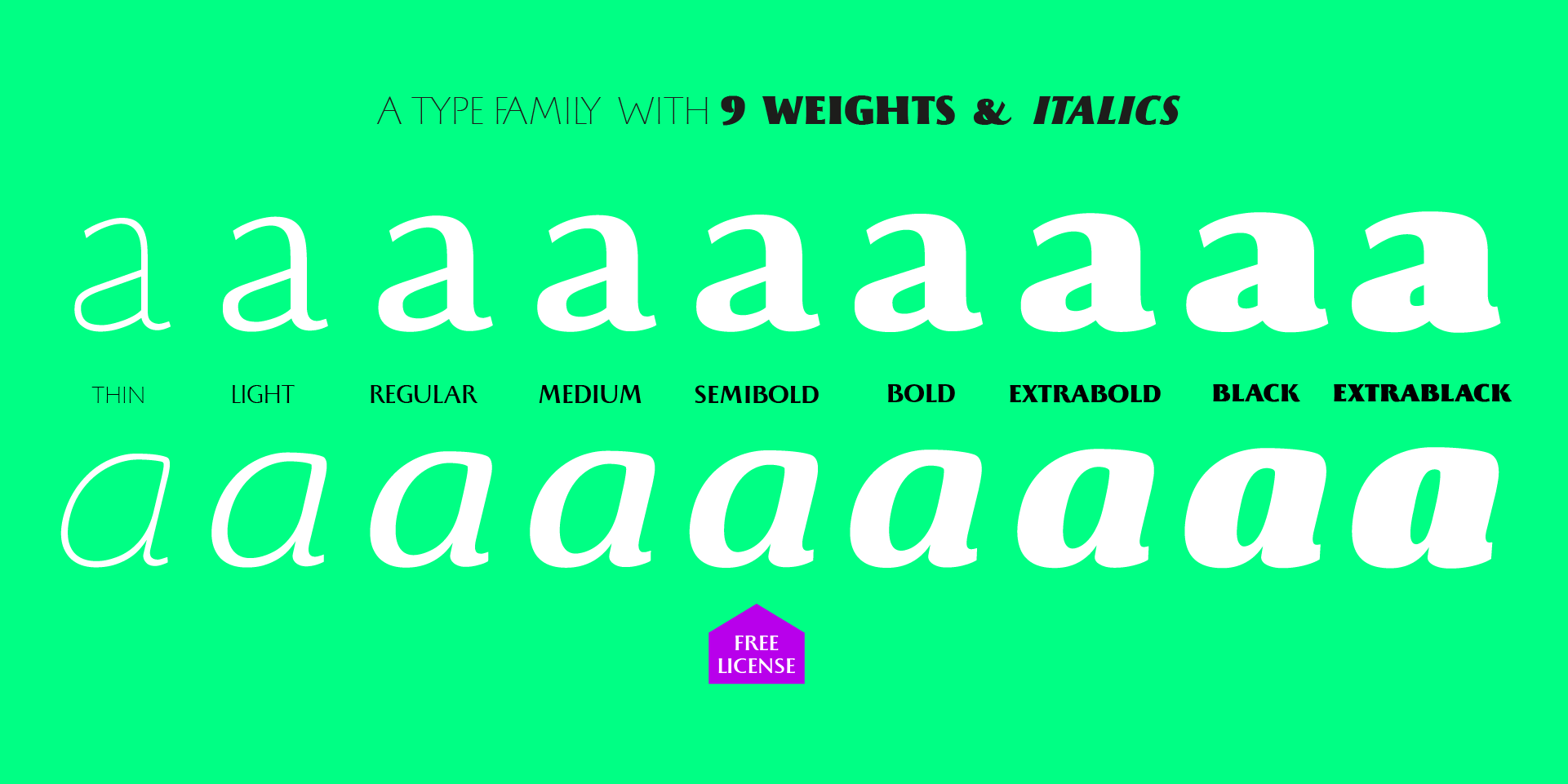
Weights

  • C
    Thin
  • C
    Light
  • C
    Regular
  • C
    Medium
  • C
    SemiBold
  • C
    Bold
  • C
    ExtraBold
  • C
    Black
  • C
    ExtraBlack
Designed by Francesco Canovaro with Cosimo Lorenzo Pancini and Andrea Tartarelli Version 3.1 / released in 2016
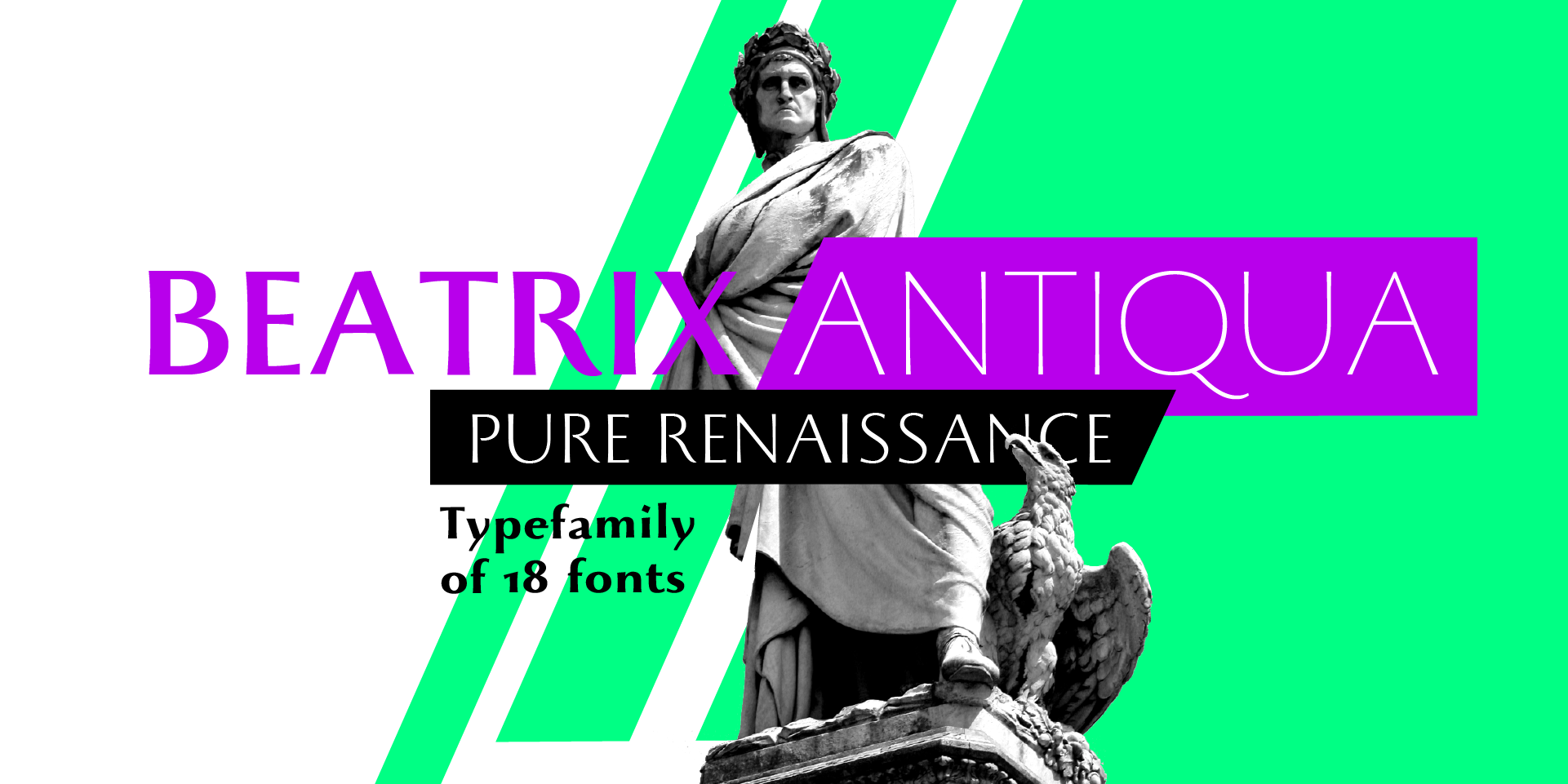
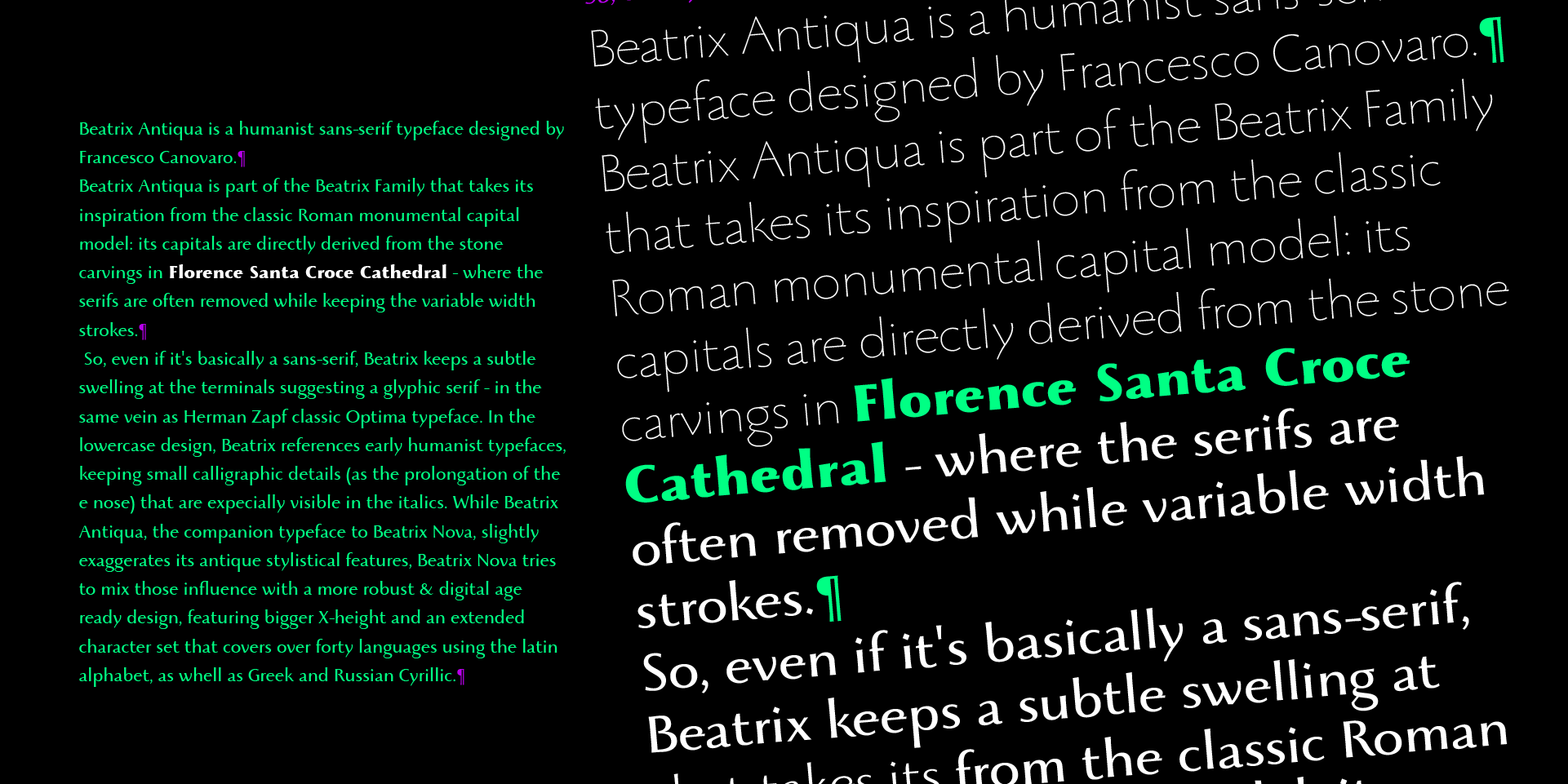
Beatrix Antiqua is a humanist sans-serif typeface designed by Francesco Canovaro. Beatrix Antiqua is part of the Beatrix Family that takes its inspiration from the classic Roman monumental capital model: its capitals are directly derived from the stone carvings in Florence Santa Croce Cathedral - where the serifs are often removed while keeping the variable width strokes. So, even if it's basically a sans-serif, Beatrix keeps a subtle swelling at the terminals suggesting a glyphic serif - in the same vein as Herman Zapf classic Optima typeface. In the lowercase design, Beatrix references early humanist typefaces, keeping small  Show all

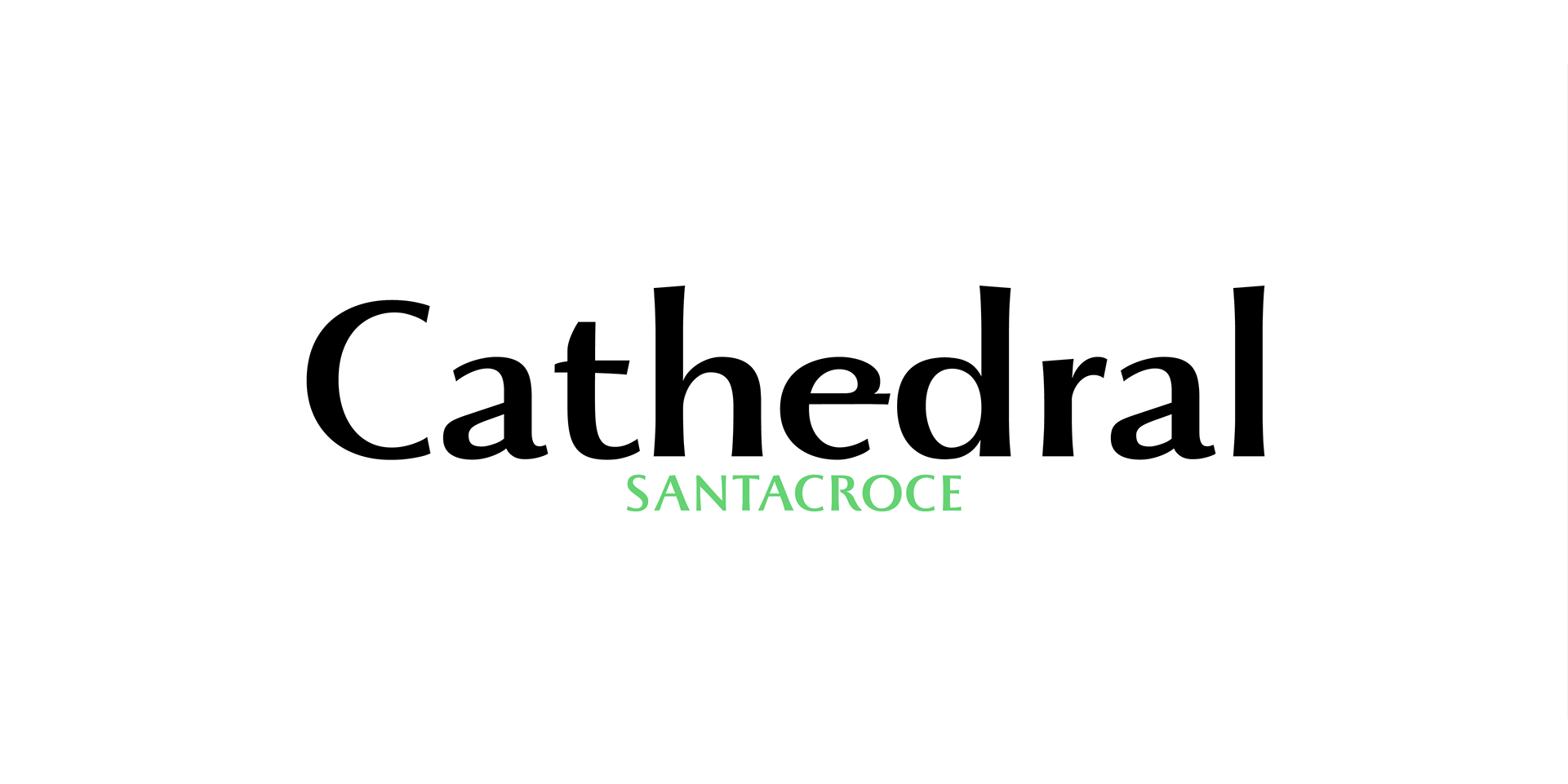
Beatrix Antiqua is a humanist sans-serif typeface designed by Francesco Canovaro. Beatrix Antiqua is part of the Beatrix Family that takes its inspiration from the classic Roman monumental capital model: its capitals are directly derived from the stone carvings in Florence Santa Croce Cathedral - where the serifs are often removed while keeping the variable width strokes. So, even if it's basically a sans-serif, Beatrix keeps a subtle swelling at the terminals suggesting a glyphic serif - in the same vein as Herman Zapf classic Optima typeface. In the lowercase design, Beatrix references early humanist typefaces, keeping small calligraphic details (as the prolongation of the e nose) that are especially visible in the italics. While Beatrix Antiqua, the companion typeface to Florentia, slightly exaggerates its antique stylistical features, Florentia tries to mix those influence with a more robust & digital age ready design, featuring bigger X-height and an extended character set that covers over forty languages using the latin alphabet, as well as Greek and Russian Cyrillic.


Available Formats:

Truetype, Opentype, Woff,

Writing system:

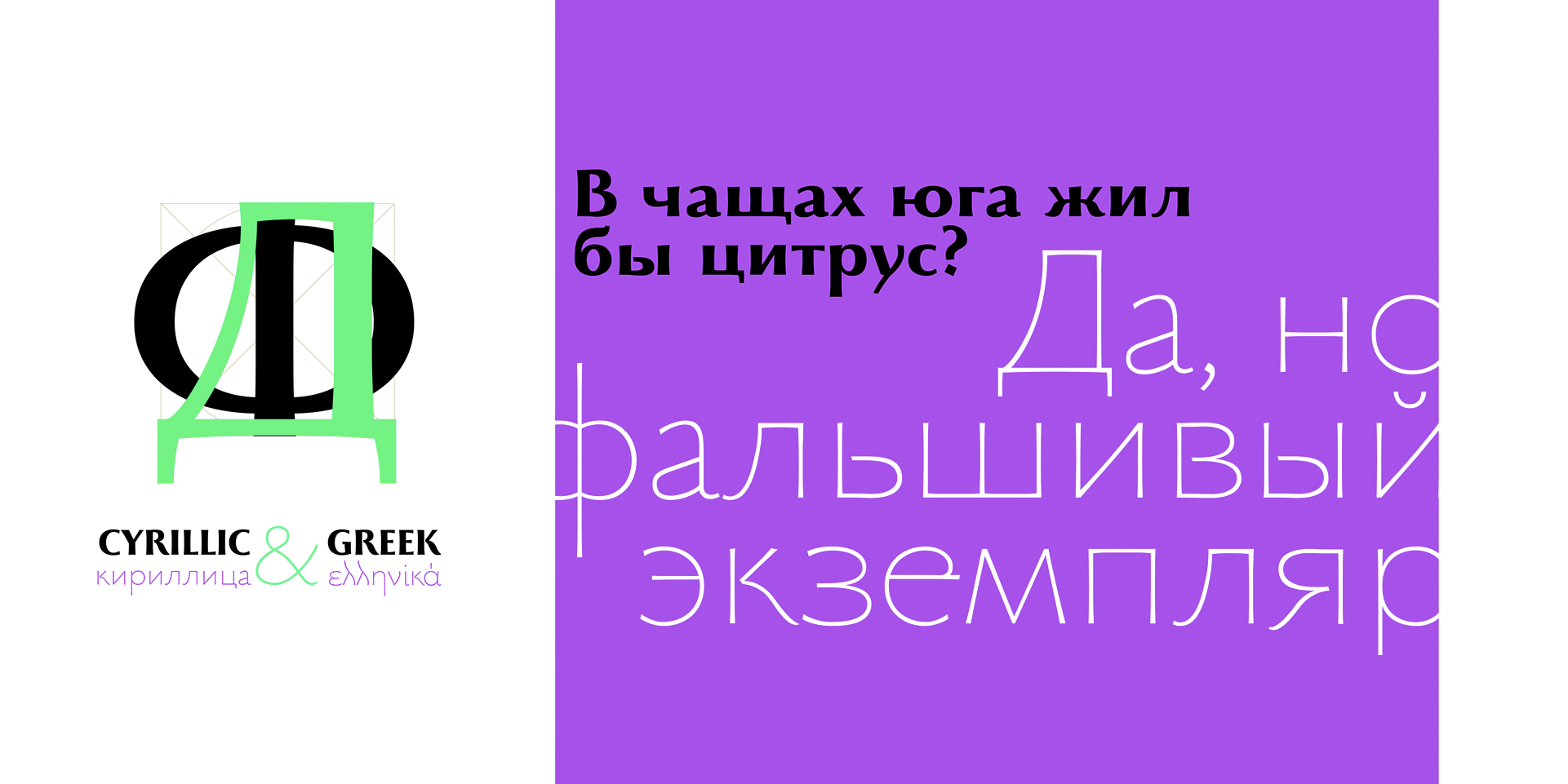
Latin, Cyrillic, Greek

Language Supported:

196 Languages  Show all Hide all
English, Spanish, Portuguese, French, Russian, German, Javanese (Latin), Turkish, Italian, Polish, Afaan Oromo, Tagalog, Sundanese (Latin), Filipino, Moldovan, Romanian, Indonesian, Dutch, Cebuano, Malay, Uzbek (Latin), Kurdish (Latin), Swahili, Greek, Hungarian, Czech, Haitian Creole, Hiligaynon, Afrikaans, Somali, Zulu, Serbian, Swedish, Bulgarian, Shona, Quechua, Albanian, Catalan, Ilocano, Kikongo, Kinyarwanda, Neapolitan, Xhosa, Tshiluba, Slovak, Danish, Finnish, Norwegian, Sicilian, Sotho (Southern), Kirundi, Tswana, Sotho (Northern), Belarusian (Latin), Turkmen (Latin), Lombard, Lithuanian, Tsonga, Jamaican, Dholuo, Galician, Low Saxon, Waray-Waray, Makhuwa, Bikol, Kapampangan (Latin), Aymara, Ndebele, Slovenian, Tumbuka, Venetian, Genoese, Piedmontese, Swazi, Latvian, Silesian, Sardinian, Estonian, Afar, Cape Verdean Creole, Occitan, Tetum, Oshiwambo, Basque, Welsh, Chavacano, Dawan, Montenegrin, Walloon, Asturian, Kaqchikel, Ossetian (Latin), Zapotec, Frisian, Guadeloupean Creole, Q’eqchi’, Crimean Tatar (Latin), Sango, Luxembourgish, Samoan, Maltese, Tzotzil, Fijian, Friulian, Icelandic, Sranan, Wayuu, Papiamento, Aromanian, Corsican, Breton, Amis, Māori, Tok Pisin, Tongan, Alsatian, Kiribati, Seychellois Creole, Võro, Tahitian, Scottish Gaelic, Chamorro, Greenlandic (Kalaallisut), Kashubian, Faroese, Rarotongan, Sorbian (Upper Sorbian), Karelian (Latin), Romansh, Chickasaw, Arvanitic (Latin), Nagamese Creole, Saramaccan, Ladin, Palauan, Sorbian (Lower Sorbian), Drehu, Wallisian, Aragonese, Mirandese, Tuvaluan, Xavante, Zuni, Montagnais, Hawaiian, Marquesan, Niuean, Yapese, Vepsian, Bislama, Hopi, Megleno-Romanian, Creek, Aranese, Rotokas, Tokelauan, Mohawk, Warlpiri, Cimbrian, Sami (Lule Sami), Jèrriais, Arrernte, Murrinh-Patha, Kala Lagaw Ya, Cofán, Gwich’in, Seri, Sami (Southern Sami), Istro-Romanian, Wik-Mungkan, Anuta, Yindjibarndi, Noongar, Hotcąk (Latin), Meriam Mir, Manx, Shawnee, Gooniyandi, Ido, Wiradjuri, Hän, Ngiyambaa, Delaware, Potawatomi, Abenaki, Esperanto, Folkspraak, Interglossa, Interlingua, Latin, Latino sine Flexione, Lojban, Novial, Occidental, Slovio (Latin), Volapük

Features

  • fl fi
    Standard Ligatures
  • 12360
    Oldstyle Figures
Beatrix Antiqua ExtraBold
CLICK ON TEXT TO EDIT

European languages

Beatrix Antiqua Thin Italic
CLICK ON TEXT TO EDIT

The European languages are members of the same family. Their separate existence is a myth. For science, music, sport, etc, Europe uses the same vocabulary.

Beatrix Antiqua Medium
CLICK ON TEXT TO EDIT

The languages only differ in their grammar, their pronunciation and their most common words. Everyone realizes why a new common language would be desirable: one could refuse to pay expensive translators. To achieve this, it would be necessary to have uniform grammar, pronunciation and more common words. If several languages coalesce, the grammar of the resulting language is more simple and regular than that of the individual languages. The new common language will be more simple and regular than the existing European languages. It will be as simple as Occidental; in fact, it will be Occidental. To an English person, it will seem like simplified English, as a skeptical Cambridge friend of mine told me what Occidental is. The European languages are members of the same family. Their separate existence is a myth. For science, music, sport, etc, Europe uses the same vocabulary. The languages only differ in their grammar, their pronunciation and their most common words. Everyone realizes why a new common language would be desirable: one could refuse to pay expensive translators. To achieve this, it would be necessary to have uniform grammar, pronunciation and more common words. If several languages coalesce, the grammar of the resulting language is more simple and regular than that of the individual languages. The new common language will be more simple and regular than the existing European languages. It will be as simple as Occidental; in fact, it will be Occidental. To an English person, it will seem like simplified English, as a skeptical Cambridge friend of mine told me what Occidental is. The European languages are members of the same family. Their separate existence is a myth. For science, music, sport, etc, Europe uses the same vocabulary.

A UNI41
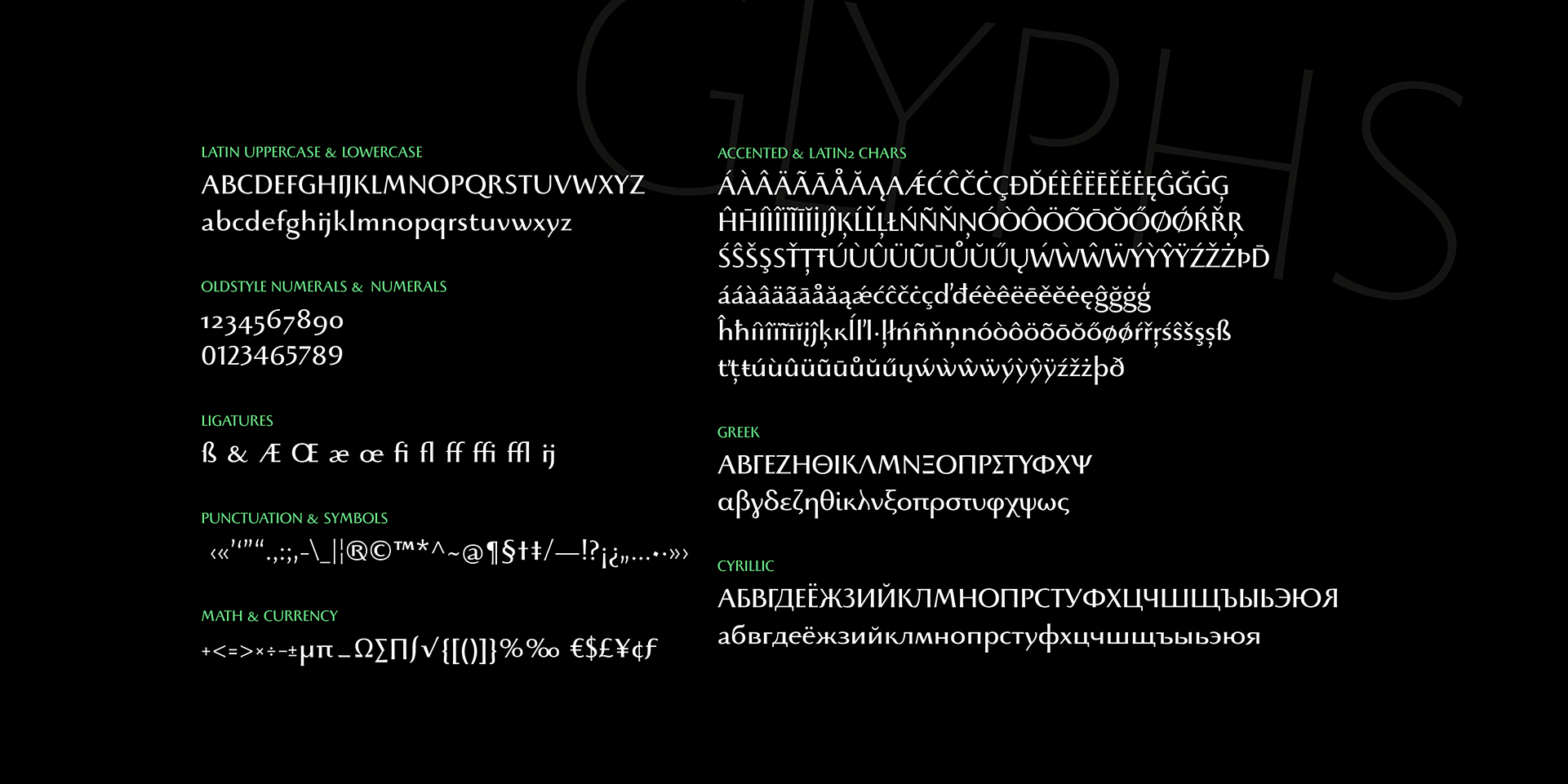
584 Glyphs
196
A B C D E F G H I J K L M N O P Q R S T U V W X Y Z Æ Œ IJ Ð Þ
a b c d e f g h i j k l m n o p q r s t u v w x y z æ œ ij ß ð þ
À Á Â Ã Ä Ā Ă Å Ą Ǽ Ċ Ć Ĉ Č Ç Đ Ď È É Ê Ë Ē Ĕ Ė Ě Ę Ĝ Ġ Ğ Ģ Ħ Ĥ Ì Í Î Ĩ Ï Ĭ Ī Į İ Ĵ Ķ Ĺ Ļ Ľ Ŀ Ł Ń Ň Ñ Ņ Ò Ó Ô Õ Ö Ō Ŏ Ő Ø Ǿ Ř Ŕ Ŗ Ś Ŝ Š Ş Ș Ț Ţ Ť Ŧ Ù Ú Û Ũ Ü Ū Ŭ Ů Ű Ų Ŵ Ý Ŷ Ÿ Ź Ż Ž
à á â ã ä ā ă å ą ǽ ċ ć ĉ č ç ď đ è é ê ë ē ĕ ė ě ę ĝ ğ ġ ģ ħ ĥ ì í î ĩ ï ĭ ī į ı ĵ ķ ĸ ĺ ļ ľ ŀ ł ń ň ñ ņ ʼn ò ó ô õ ö ō ŏ ő ø ǿ ř ŕ ŗ ś ŝ š ş ș ț ţ ť ŧ ù ú û ũ ü ū ŭ ů ű ų ŵ ý ŷ ÿ ź ż ž
Α Β Γ Ε Ζ Η Θ Ι Κ Λ Μ Ν Ξ Ο Π Ρ Σ Τ Υ Φ Χ Ψ Ω Ά Έ Ή Ί Ό Ύ Ώ Ϊ Ϋ
α β γ δ ε ζ η θ ι κ λ μ ν ξ ο π ρ ς σ τ υ φ χ ψ ω ί ϊ ΐ ύ ϋ ΰ ό ώ ά έ ή ;
А Б В Г Ѓ Ґ Д Е Ё Ж З И Й К Ќ Л М Н О П Р С Т У Ў Ф Х Ч Ц Ш Щ Џ Ь Ъ Ы Љ Њ Ѕ Є Э І Ї Ј Ћ Ђ Ю Я
а б в г ѓ ґ д е ё ж з и й к ќ л м н о п р с т у ў ф х ч ц ш щ џ ь ъ ы љ њ ѕ є э і ї ј ћ ю я ђ ә
0 1 2 3 4 5 6 7 8 9 ¹ ² ³ ¼ ½ ¾
$ £ ¥ ¢ ƒ ¤ # \ ~ × + ± ÷ = ¬ < > % ( ) [ ] { } µ
, . ; : | ¦ / - ­ _ « » ¡ ! ¿ ? ' " & @ © ® § * · ^ ª º °
` ¨ ¯ ´ ¸ ˆ ˇ ˉ ˘ ˙ ˚ ˛ ˜ ˝ ΄ ΅
Back
To Top